In Tune With Nature Notes
Thank you for attending my presentation , In Tune With Nature. I hope it added value to your understanding of how to reimagine your garden along natural principles, but also how it can contribute in a positive way in your community.
We covered a lot of topics during the presentation, so I have summarised the important points below. You are welcome to forward link to this page on to you social groups. If you have any questions or comments, please feel free to contact me on Info@JonathanLeeming.com
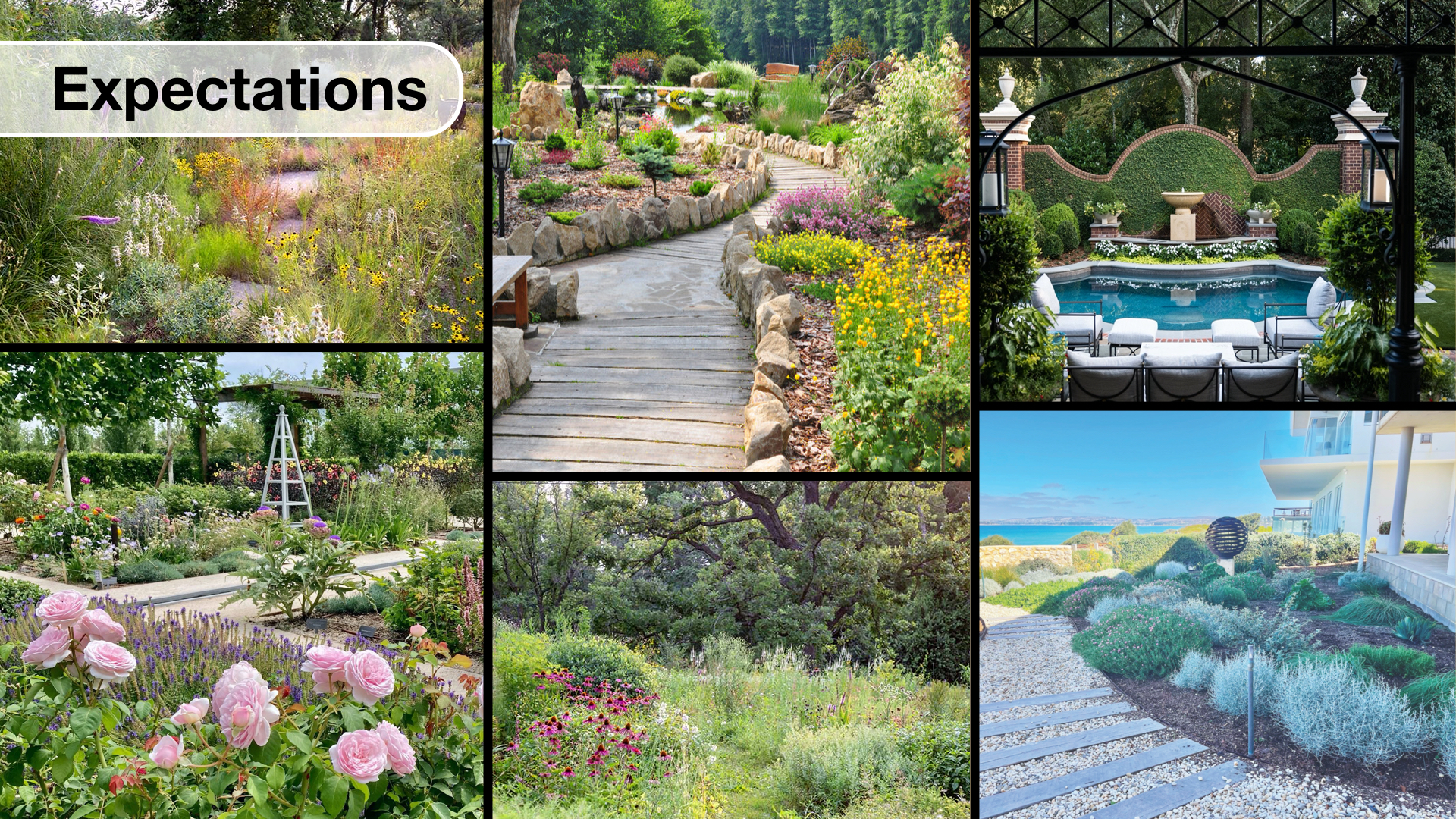
Wanting a garden like the Amazon Rain Forest, is a bit optimistic unless you live in the Amazon. Let us have a look at the context which are gardens are subject to. What conditions are we subject to. How does that influence our idea of a natural garden?
In my opinion, a garden in tune with nature supports not only urban wildlife, but also conservation efforts be that focused upon animals or plants.
It takes a mind shift to reimagine the function of a garden and how can we do better?

Understanding how the environment functions, and difference around Earth that result in vastly different environmental conditions. Each set of conditions influence the plants, animals that exist under those conditions. These conditions are aligned to a different community of animals and plants.
El Nino is around the corner, Expect drought conditions in Southern Africa. 2037 is estimated to be the hottest year on record.
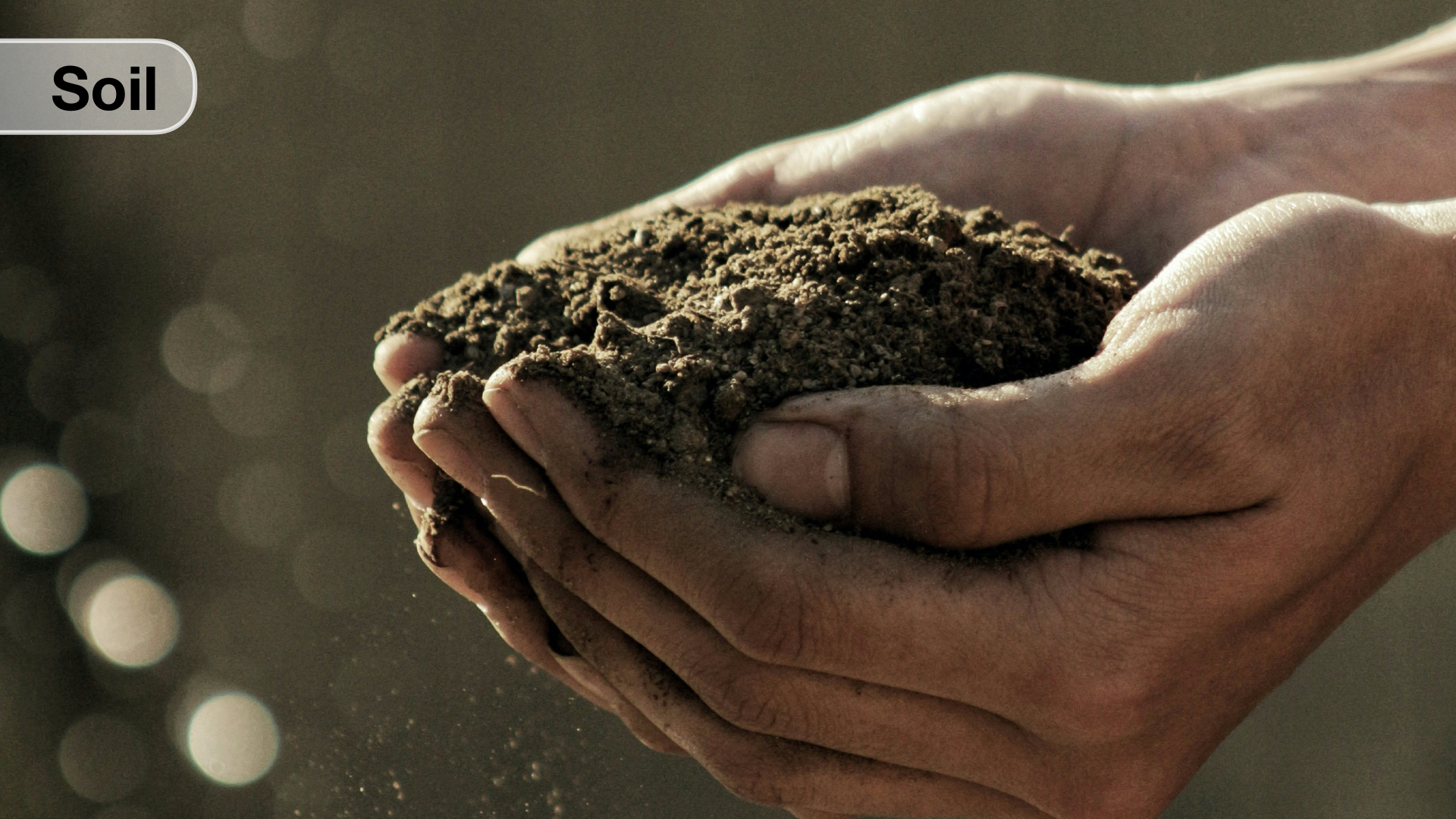
A good question is…What is soil?
Soil is everything. It contains inorganic components such as minerals, salts, water, oxygen, and organic components such as bacteria, fungi, worms, insects and so much more! The average depth of soil is on average global depth of 1 to 2m.Iy can take over 1000 years to make 1 cm of soil.
Soils can range in composition and can be sand based, clay bases, or full of organic material. Soil is vital for driving ecosystem success. Soil should be considered an ecosystem unto itself!
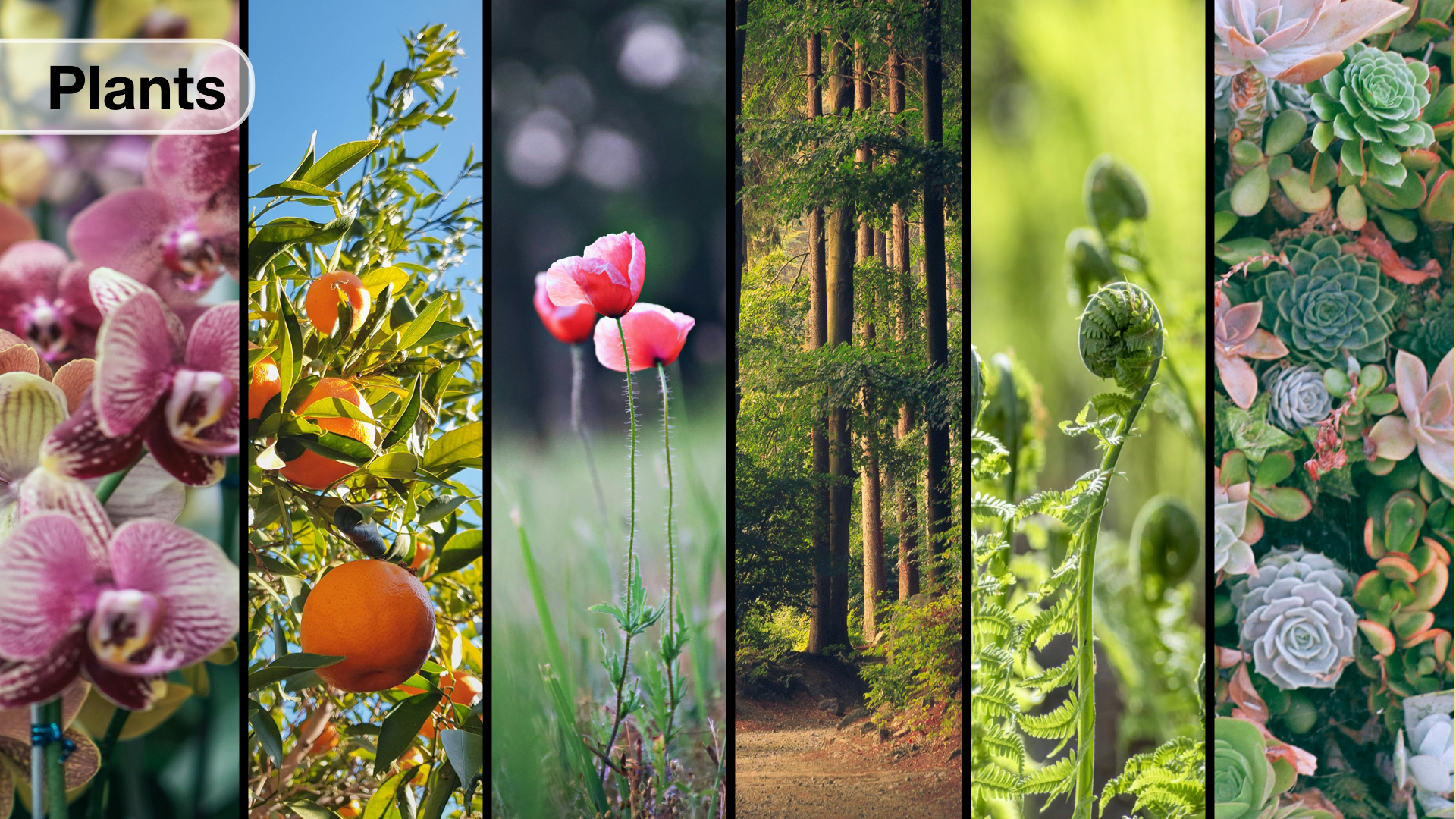
There are about 380,000 known species of plants, of which the majority, some 260,000, produce seeds. They range in size from single cells to the tallest trees.
Different plants with different requirements from cactus in deserts, to Brasil Nut Trees in rain forests. They produce flowers, fruits, can reproduce by themselves, or reply on insects and other animals for pollination. Plants can live for a few days or thousands of years.
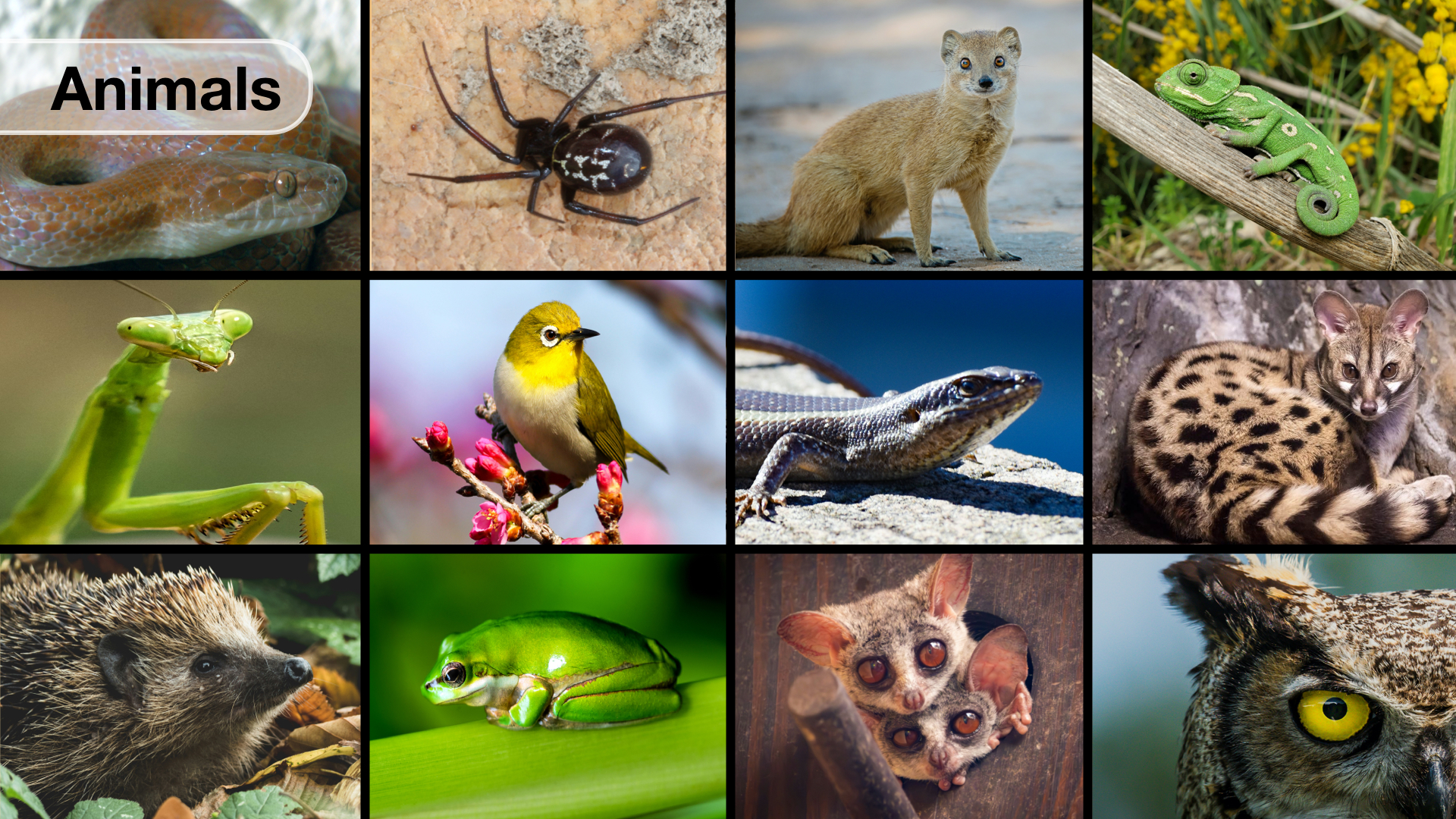
Over 1.5 million living animal species have been described, of which around 1.05 million are insects, over 85,000 are molluscs, and around 65,000 are vertebrates. It has been estimated there are as many as 7.77 million animal species on Earth. Not all animals are considered desirable. We will get this this later.
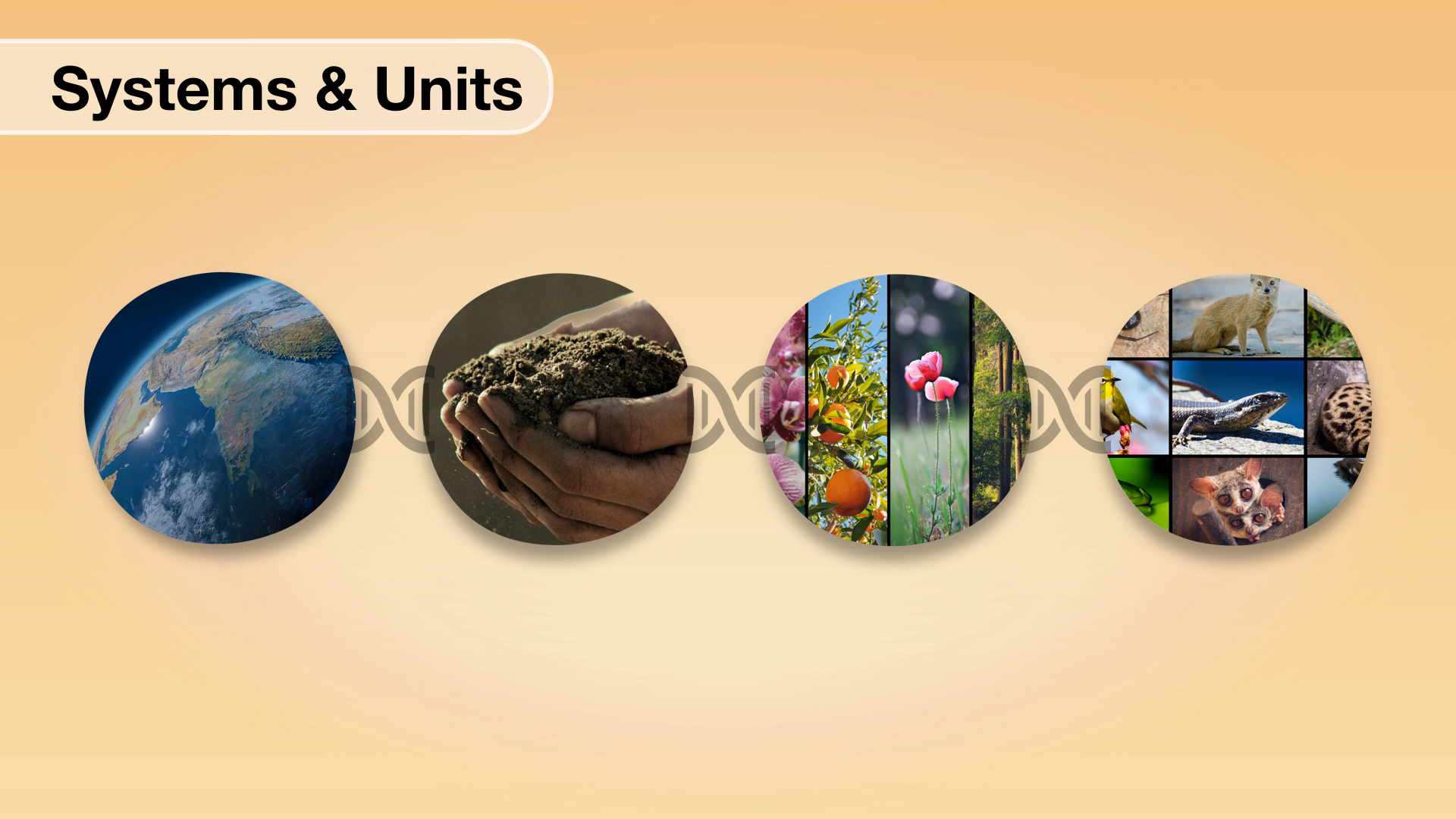
The environment, soil, plants and animals do not exist in isolation. Everything is connected. We do something in the garden and it creates a change somewhere else. How can we understand the interaction between these components? How can we maintain that balance between what we strive for, and a garden that is in tune with nature?
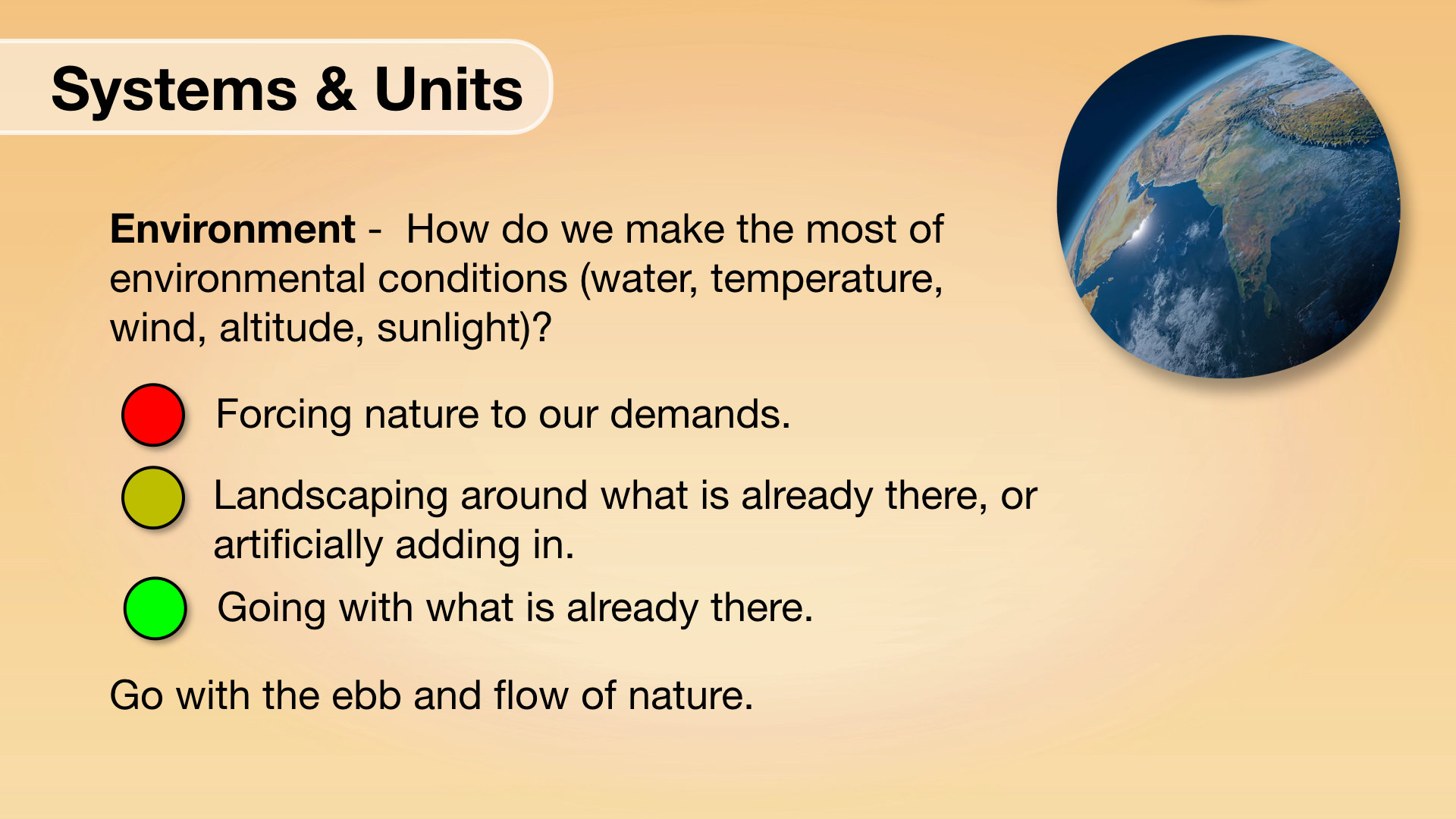
How do we make the most of environmental conditions?
Go with the ebb and flow of nature.
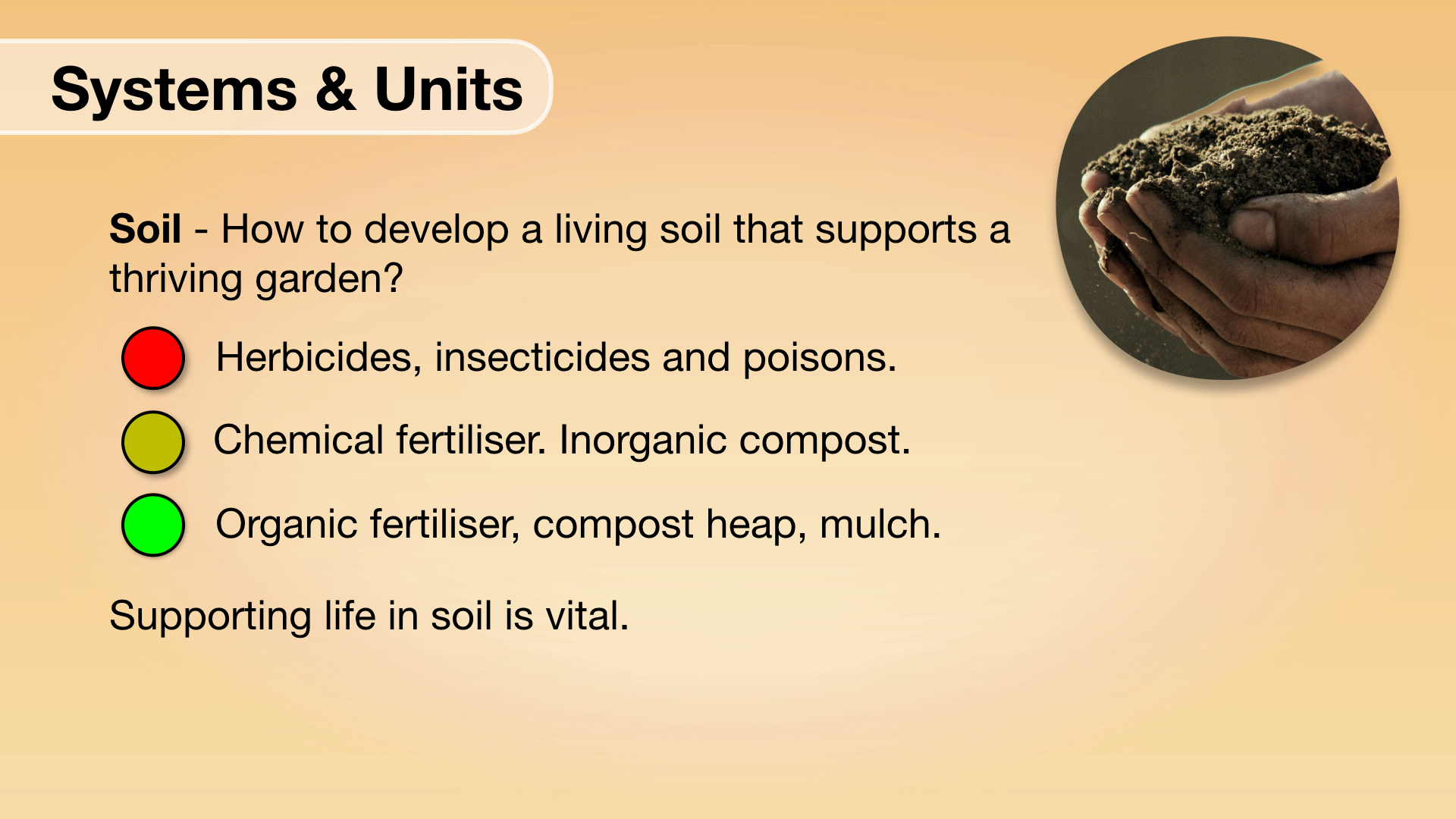
How to develop a living soil that supports a thriving garden?
Supporting life in soil is vital.
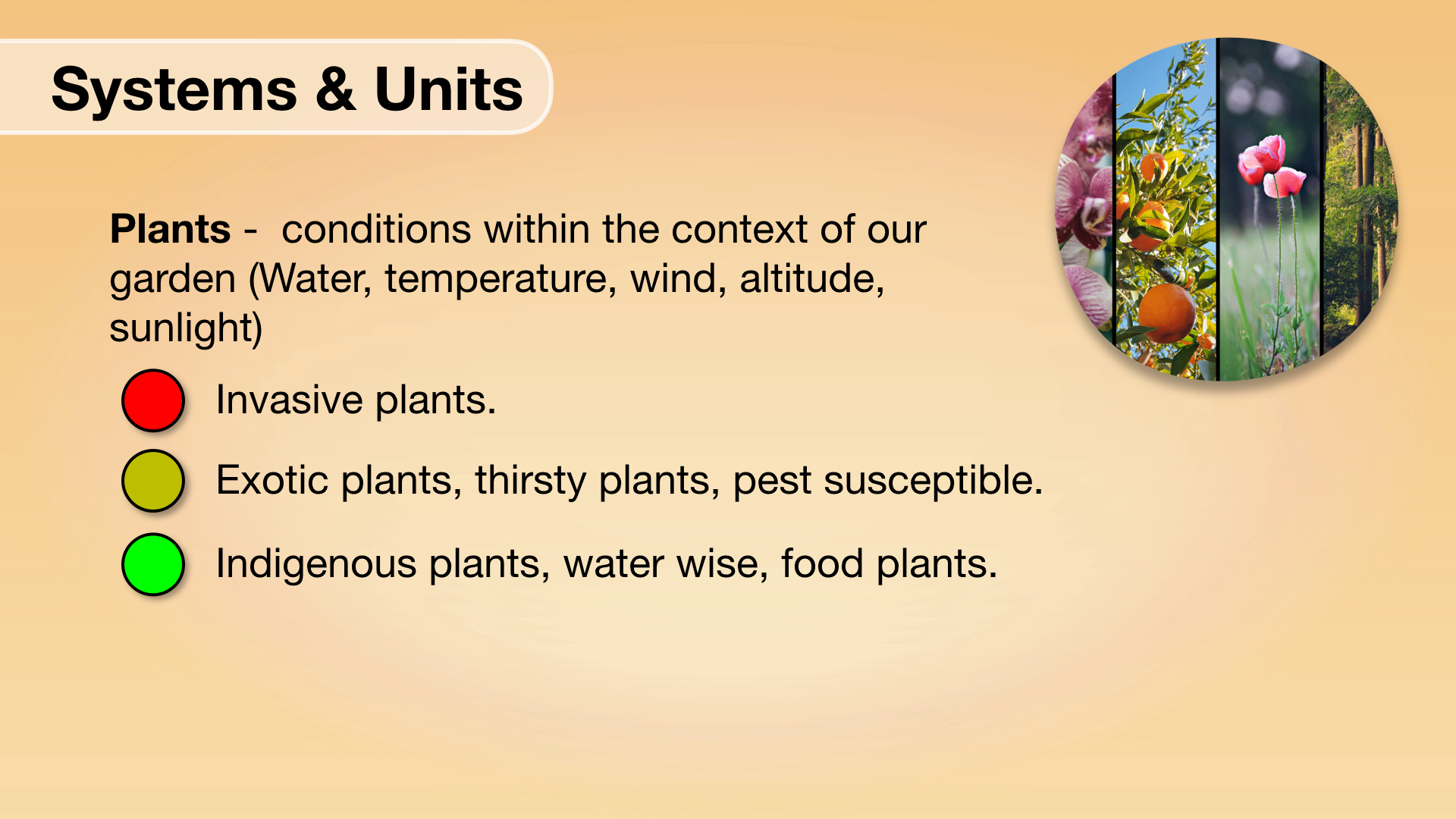
Which plants are better for a natural garden and which to avoid?
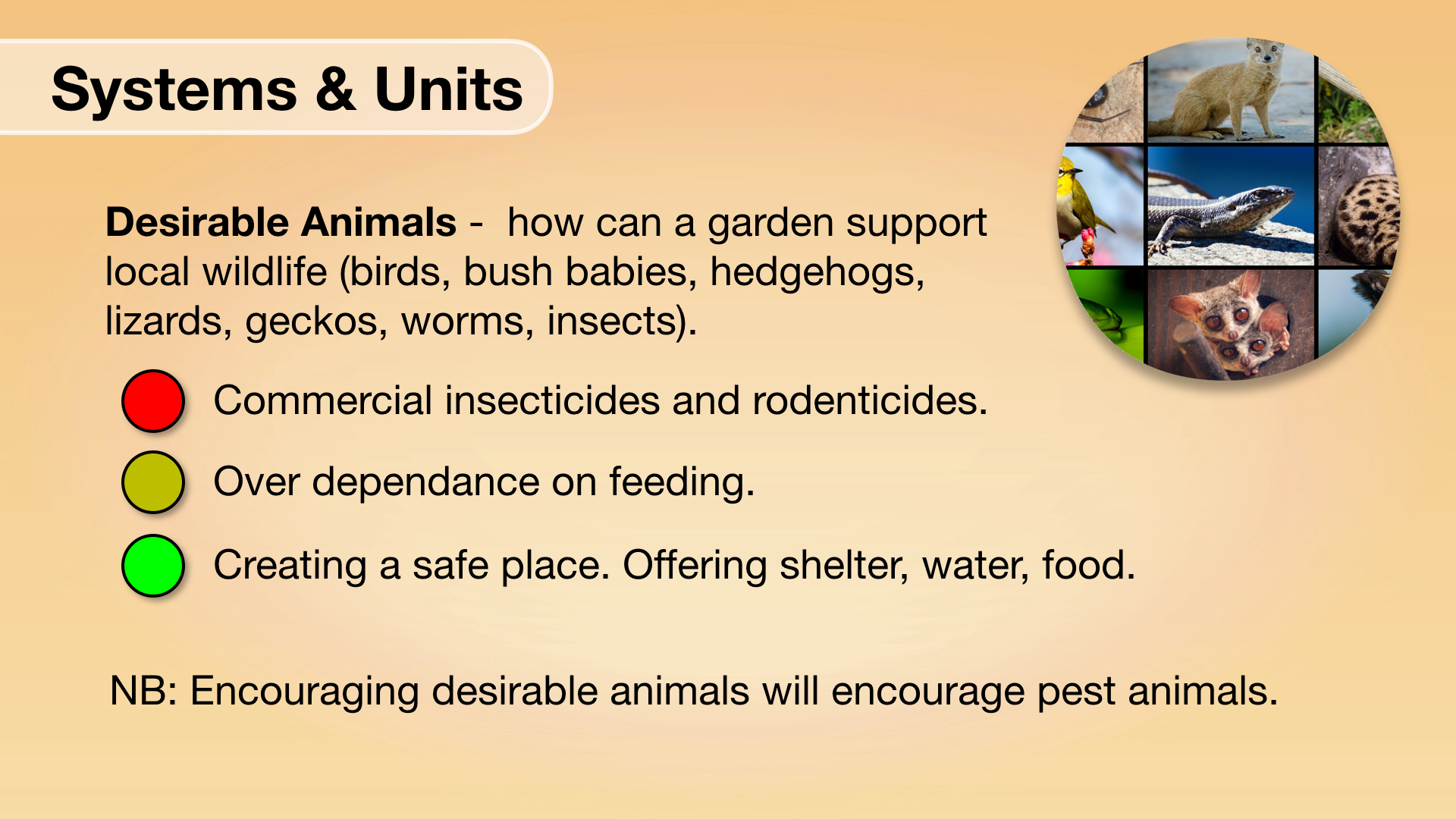
How can a garden support local wildlife (birds, bush babies, hedgehogs, lizards, geckos, worms, insects).
Encouraging desirable animals will encourage pest animals.
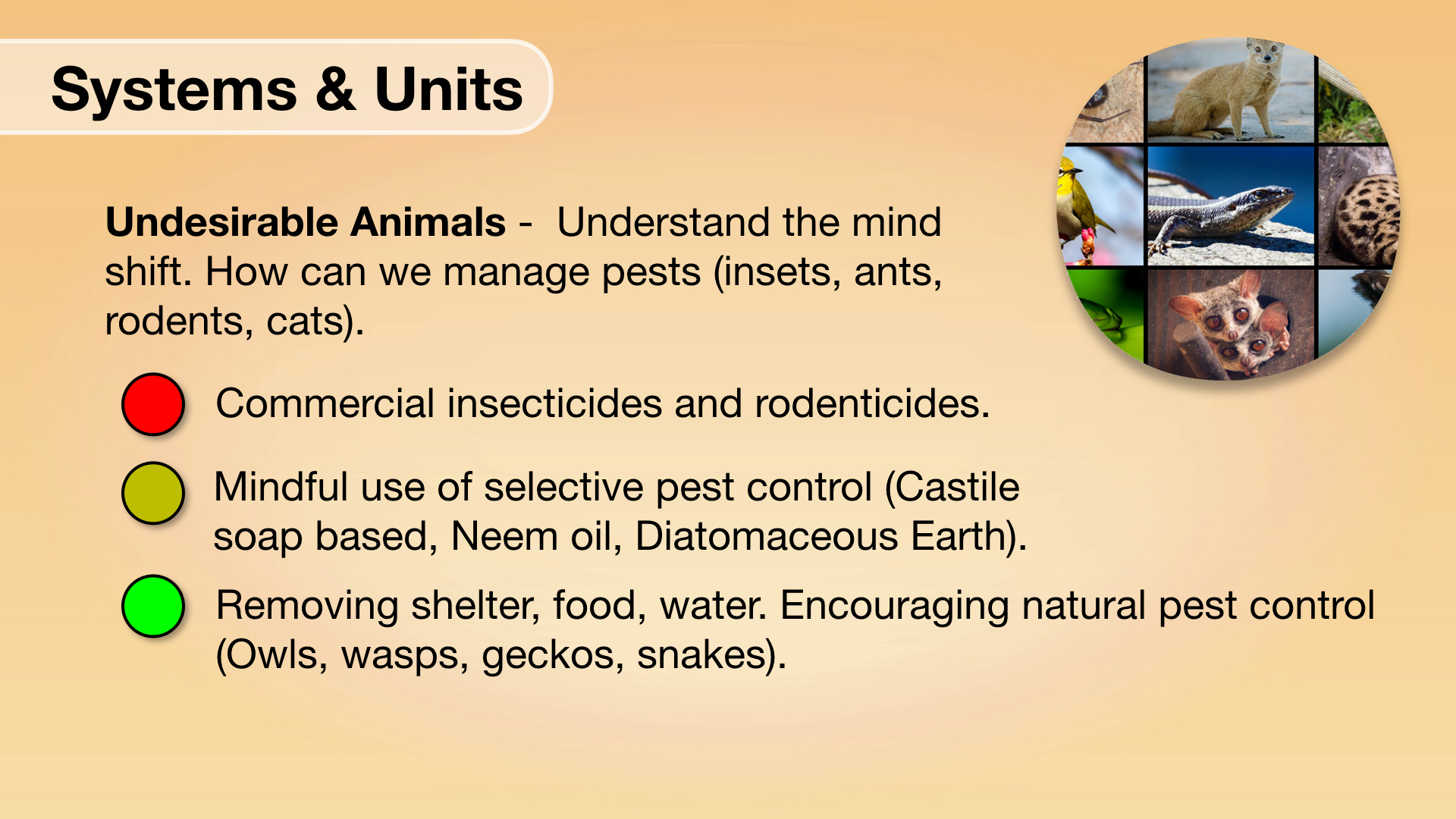
Understand the mind shift.. How can we manage pests (insets, ants, rodents, cats).
If nothing is eating your garden, then it is not adding value to the environment.
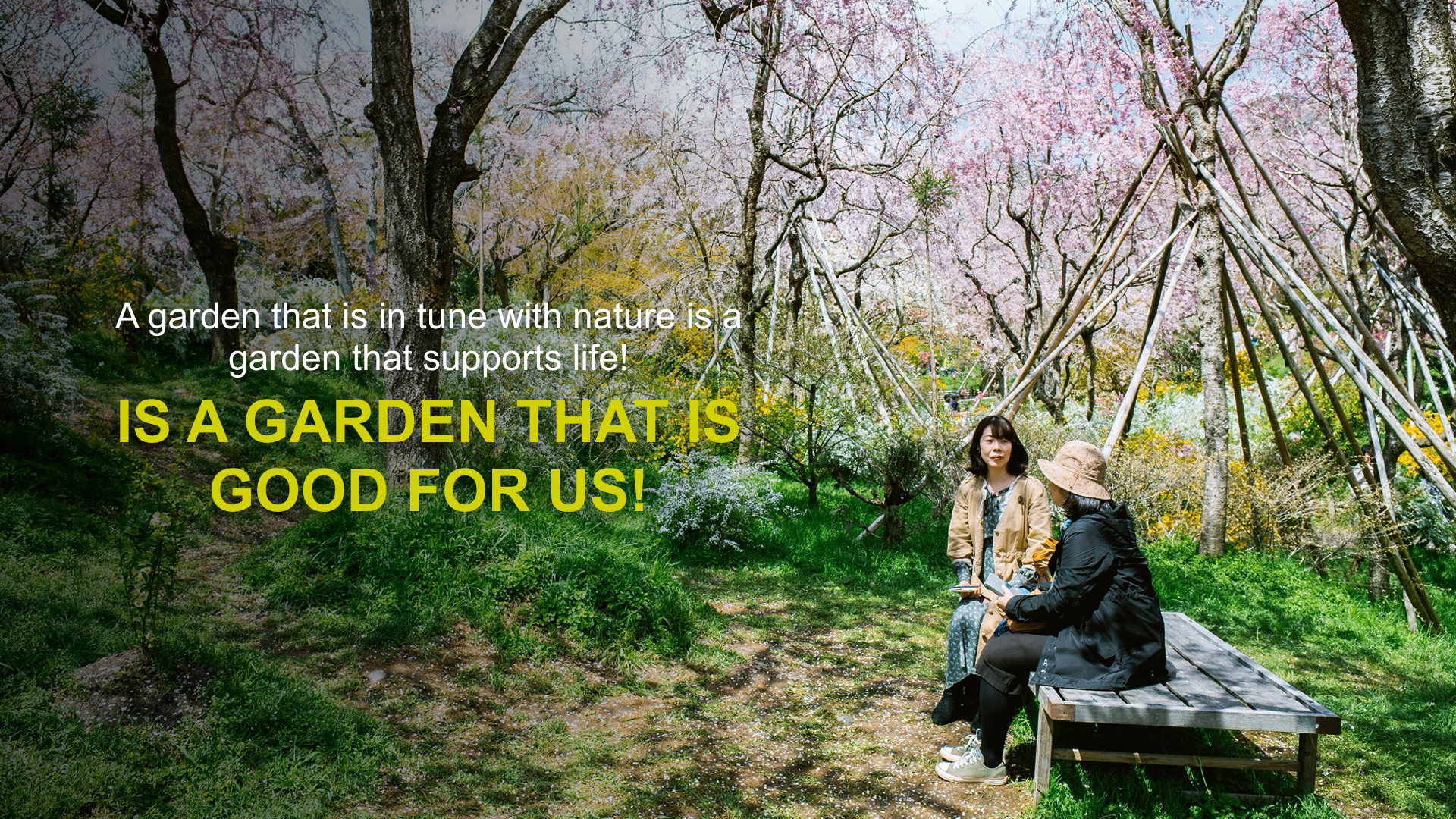
Just being outside in nature offers the following benefits.
There are many other benefits for just being outdoors or in nature.
If you attend this presentation, I would love to hear you comments or feedback! Please send me an email to Info@JonathanLeeming.com or select the following button.